
Things to Consider When Shopping For Blinds
Choosing the right blinds can feel overwhelming because there are so many materials, styles, features, and price points that it’s hard to know where to start. To make the process easier, we’ve pulled together the most common questions people ask when shopping for blinds, along with clear, expert answers. Whether you’re upgrading privacy in a Williamsburg apartment or refreshing a home in Astoria, Queens, this guide will help you feel confident in your decision. And stop by any of our locations today to speak with an expert.
1. What’s the difference between blinds and shades?
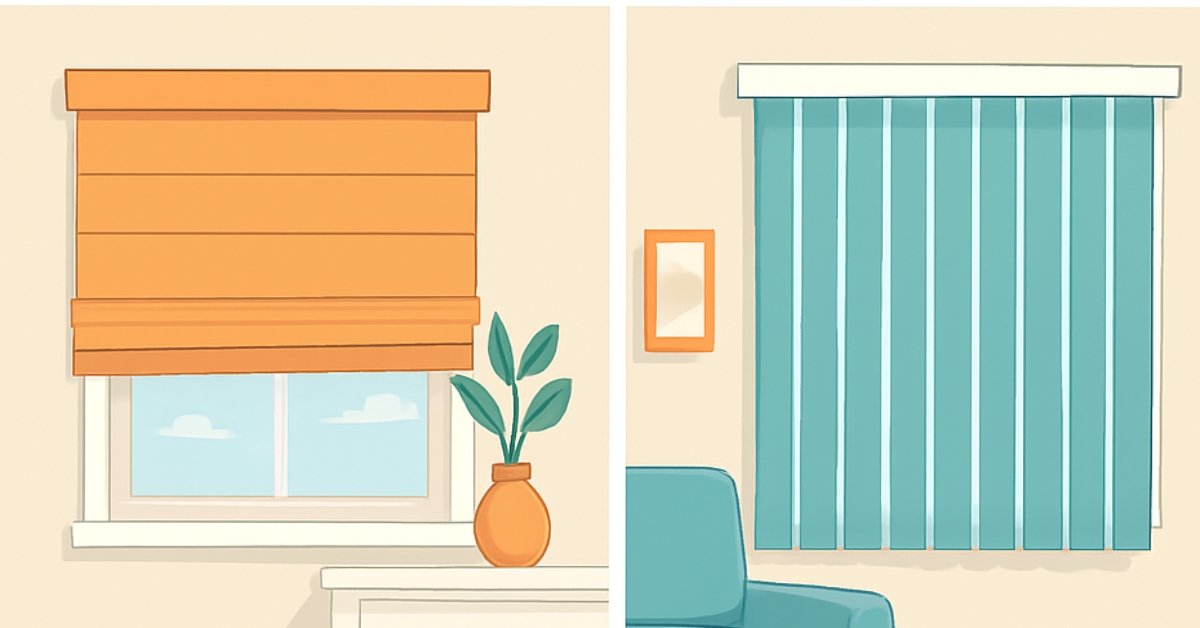
Blinds and shades both cover windows, but they function very differently. Blinds are made of hard materials—like wood, faux wood, aluminum, or vinyl—and feature individual slats that tilt open and closed, giving you precise control over light and privacy. Shades, on the other hand, are made from continuous fabric and lift up or down in one smooth piece, offering a softer look and more diffused light. Blinds are ideal when you want adjustable visibility, while shades are perfect for creating warmth, texture, and a clean, modern feel. Read the Blinds vs. Shades blog post for more on this subject.
2. What type of blinds are best for privacy?
When dwellings are so close, like it can be in Brooklyn, NY, we need something for privacy. For maximum privacy, wood or faux wood blinds with tightly closing slats are among the best options because they block outside visibility day and night. Vertical blinds also work well for large windows and sliding doors, allowing you to angle the vanes for complete coverage. If you want even stronger privacy—especially for street-level NYC apartments—room-darkening vinyl blinds provide minimal light gaps and prevent shadows or silhouettes from being seen from outside.
3. Which blinds are easiest to clean?
The easiest blinds to clean are faux wood and vinyl blinds, since their smooth, durable surfaces can be wiped down quickly with a damp cloth or dusted with a microfiber duster. Unlike real wood, they’re moisture-resistant, so you don’t have to worry about warping or damaging the finish when cleaning. Standard aluminum blinds are also relatively low-maintenance, though their thinner slats can bend if handled too aggressively. For busy households—or high-traffic NYC apartments—faux wood and vinyl offer the best balance of style, durability, and easy upkeep.
4. Are blinds better for light control than curtains?
Blinds generally offer more precise light control than curtains because their individual slats can be tilted to let in just the amount of sunlight you want, while still maintaining privacy. Curtains, on the other hand, usually block or allow light in full panels, which makes it harder to fine-tune brightness without layering with blinds or shades. For rooms like bedrooms, offices, or living spaces where adjustable light is important—especially in NYC apartments with close neighbors—blinds provide a flexible solution that lets you control glare, natural light, and privacy all at once.
5. What are the most durable types of blinds?
The most durable types of blinds are faux wood, metal blinds (often aluminum), and vinyl blinds, as they resist warping, cracking, and fading over time. Faux wood is especially popular because it combines the look of real wood with added moisture and heat resistance, making it ideal for kitchens, bathrooms, and sunlit rooms. Aluminum blinds are lightweight and long-lasting, perfect for commercial spaces or high-traffic areas. Vinyl blinds are also tough, affordable, and easy to maintain, making them a reliable choice for families, pets, and NYC apartments where durability is key.
6. How do I choose the right blinds for each room?
Choosing the right blinds for each room starts with considering function, style, and durability. For bedrooms, prioritize privacy and light control with materials like faux wood or room-darkening vinyl. In kitchens and bathrooms, choose moisture-resistant blinds such as faux wood or aluminum to withstand humidity. Living rooms and offices often benefit from aesthetic appeal combined with adjustable light control, making wood blinds or faux wood a great choice. Always measure your windows carefully and consider the room’s decor, natural light, and traffic patterns to select blinds that balance performance and style.
7. Are cordless blinds safer than corded ones?
Yes, cordless blinds are generally safer than corded ones, especially in homes with children or pets. Traditional blinds with dangling cords can pose a serious strangulation hazard, whereas cordless designs use a simple lift-and-lower mechanism or a spring-assisted system that eliminates exposed cords. Beyond safety, cordless blinds also offer a cleaner, more modern look and are easier to operate, making them a practical choice for high-traffic rooms or NYC apartments where space and safety are top priorities.
8. How much do window blinds cost?
The cost of window blinds can vary widely depending on material, size, and whether they’re custom-made or off‑the‑shelf. Basic metal aluminum or vinyl blinds for standard‑size windows can start around $50 per window, while higher‑end options like faux wood blinds, wood, or custom blinds with specialty finishes or motorized controls can range from $100 to $300 or more per window. If you include installation, custom sizing, and upgraded materials or trim, total costs can rise further—but investing upfront often pays off in durability and long-term satisfaction.
9. Can blinds help with energy efficiency?
Yes, blinds can play a significant role in improving energy efficiency in your home. By adjusting slats or lowering the blinds, you can reduce heat gain in the summer and retain warmth in the winter, which can lower your heating and cooling costs. Although technically a shade, cellular (honeycomb) style is especially effective because of the unique design that traps air, providing extra insulation for windows. Even standard wood, faux wood, or vinyl blinds can contribute to energy savings when used strategically, making them a practical choice for NYC apartments or homes looking to improve comfort and reduce utility bills.
10. What blinds work best for large windows or sliding doors?
For large windows and sliding doors, vertical blinds are one of the best options because their long vertical slats stack neatly to the side and offer easy access, controlled light, and adjustable privacy. If you’re aiming for a more modern or upscale look, wide-slat faux wood or wood blinds also perform well — especially if the windows are tall but not sliding. For large sliding glass doors where insulation and noise reduction matter, consider panel‑track shades or vertical cellular shades, which combine smooth operation with better light control and coverage. Our blog post about blinds for large windows and doors goes deeper into answering this question.
11. Do blinds need to be custom-measured?
Yes, blinds often need to be custom-measured to ensure a perfect fit, especially for non-standard or large windows, bay windows, or sliding doors. Even small measurement errors can lead to gaps that affect privacy, light control, and energy efficiency. Many retailers, including Loconsolo Paints, offer professional measuring services to guarantee that your blinds fit precisely, while standard-sized blinds may work for typical windows but won’t provide the same polished look or full coverage. Custom measurements are especially important in NYC apartments, where windows often vary slightly from standard dimensions.
12. Can I install blinds myself, or should I hire a professional?
You can install many types of blinds yourself if you’re comfortable with basic tools and measuring accurately, and many standard or cordless blinds come with detailed instructions and mounting hardware. However, for custom-sized blinds, large windows, sliding doors, or specialty installations, hiring a professional ensures a perfect fit, smooth operation, and avoids potential damage to your walls or the blinds themselves. If you’re unsure about measurements or want a polished, hassle-free installation—especially in NYC apartments with tricky window configurations—using a professional installer is often the safest and most efficient choice.
Still Have Questions About Blinds?
Book a Consultation With Our Designer
Visit Loconsolo Paints and meet with our interior designer. Book an appointment to compare samples, explore options, and choose the perfect fit for your home and budget.