
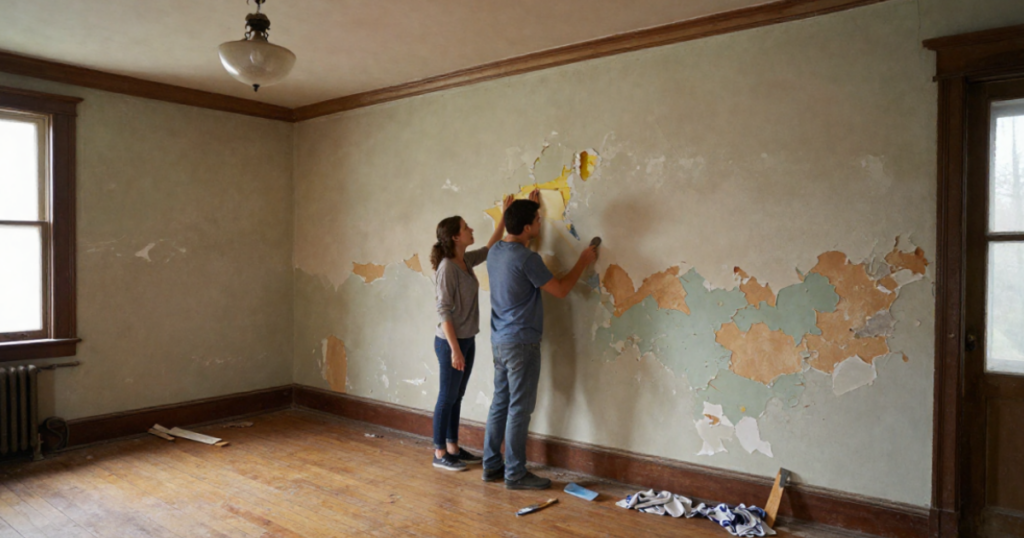
Many older homes have a history that includes layers of paint applied over decades. While many homeowners are aware that lead-based paint was once commonly used, they may not realize that it can still exist beneath newer coats of paint today.
For properties built before 1978, lead paint is a potential concern that should be taken seriously—especially during renovations, repairs, or when paint begins to deteriorate.
Understanding the risks of lead paint and knowing what steps to take can help homeowners make informed decisions about their property.
Why Is Lead Paint Found in Older Homes?
Before lead-based paint was banned for residential use in 1978, it was widely used because it was durable, dried quickly, and helped protect surfaces. It was commonly applied to:
- Interior walls
- Trim and molding
- Doors and door frames
- Windows and window frames
- Exterior siding and surfaces
Even if a home has been repainted many times, older layers of lead paint may still exist underneath.
When Does Lead Paint Become Dangerous?
Lead paint is not always an immediate hazard when it is intact and properly maintained. The biggest risks occur when lead paint is:
- Peeling
- Chipping
- Cracking
- Sanded or scraped
- Disturbed during renovation
When lead paint deteriorates or is disturbed, it can create lead dust or paint chips that may spread throughout a home. This is why proper lead abatement techniques are an absolute must.
Common Lead Paint Risks in Older Homes
1. Lead Dust Exposure
One of the biggest concerns with lead paint is the creation of fine lead dust. This can happen through sanding old painted surfaces, opening and closing older windows, remodeling projects, and paint deterioration.
Lead dust can settle on floors, windowsills, furniture, and other household surfaces.
2. Renovation and Remodeling Hazards
Many homeowners discover potential lead paint issues when starting a renovation. Remodeling projects can disturb old paint layers if proper precautions are not taken.
Take precaution any time you are: removing walls, replacing windows, sanding cabinets, repairing trim, and updating older finishes.
3. Deteriorating Paint Surfaces
Older homes may have areas where paint has weakened over time. Pay attention to: flaking paint, cracked surfaces, loose paint layers, and areas around windows and doors–these areas may require professional evaluation.
Which Areas of Older Homes Are Most Likely to Have Lead Paint?
Some of the most common locations include:
- Windows: Older windows are a frequent concern because friction from opening and closing can create dust.
- Doors and Trim: Repeated contact and movement can wear down painted surfaces.
- Baseboards and Moldings: These areas may contain older original paint layers.
- Exterior Surfaces: Homes built before 1978 may also have lead paint on exterior components.
Are All Older Homes Dangerous?
Not necessarily. An older home does not automatically mean there is an active lead hazard. Risk depends on:
- Whether lead paint is present
- The condition of the paint
- Whether surfaces are being disturbed
- Whether renovations are planned
The only way to know for certain is through proper testing and evaluation.
What Should Homeowners Do If They Suspect Lead Paint?
Taking the right steps early can prevent unnecessary exposure and complications. If you believe your home may contain lead paint:
- Avoid sanding or scraping painted surfaces
- Do not disturb peeling paint unnecessarily
- Clean dust carefully
- Consider professional testing before renovations
- Get guidance before beginning work
Lead Paint and Renovations
Renovations are one of the most common reasons homeowners encounter lead paint concerns. Before starting work in an older home, consider:
- Testing painted surfaces
- Understanding where lead may exist
- Planning proper containment procedures
- Working with qualified professionals when needed
Proper planning helps protect both the property and the people inside it.
Final Thoughts
If you have questions about a potential lead paint issue, visit any Loconsolo Paints store in NY for a free lead abatement consultation. Our team can help answer your questions, understand your situation, and guide you toward the appropriate next steps.