
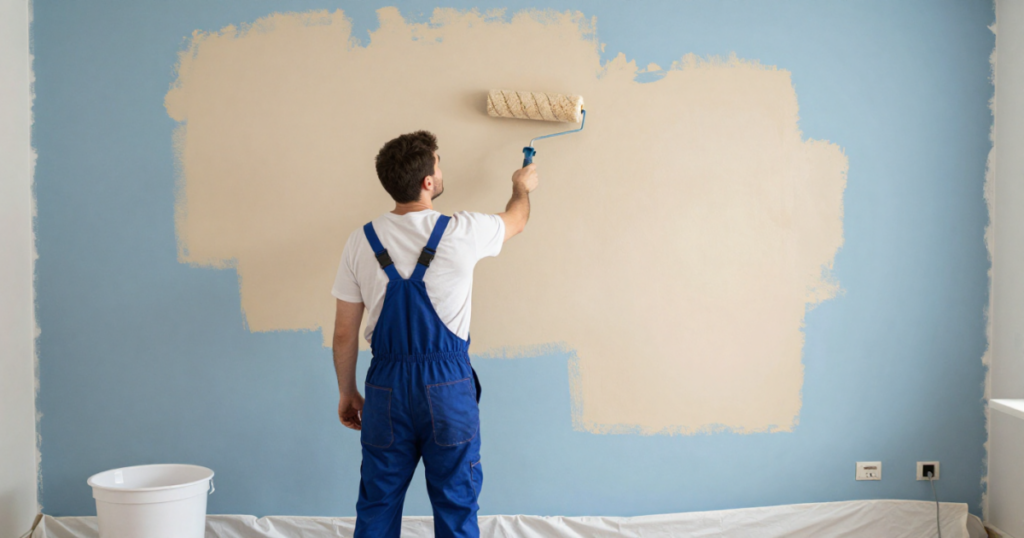
Paint may seem simple on the surface, but modern paint formulations are carefully engineered using a combination of pigments, resins, additives, and other ingredients that all contribute to how the final product looks and performs.
Two of the most important characteristics people notice when painting are color and opacity. While these concepts are closely related, they each play a different role in the appearance and performance of paint.
Understanding what gives paint its color and opacity can help homeowners and professionals better understand why some paints perform differently than others.
What Creates Paint Color?
Paint color comes from pigments. Pigments are finely ground particles added to paint to create specific colors and visual effects. Different pigments produce different shades, tones, and color strengths.
Paint manufacturers combine pigments in carefully balanced formulations to create:
- Whites
- Neutrals
- Bold colors
- Deep shades
- Specialty finishes
The quality and concentration of pigments can affect how rich, vibrant, and consistent a paint color appears once applied.
What is Opacity in Paint?
Opacity is often one of the biggest differences between lower-grade and premium paint products. Opacity refers to how effectively paint hides the surface underneath it.
Paint with strong opacity can:
- Better conceal previous colors
- Create a more uniform finish
- Reduce visible inconsistencies
- Improve overall coverage
The Role of Titanium Dioxide
One of the most important ingredients related to paint opacity is titanium dioxide. Titanium dioxide is a white pigment known for its:
- Brightness
- Hiding power
- Light-reflecting properties
Because it scatters and reflects light extremely efficiently, titanium dioxide helps paint achieve stronger coverage and a cleaner appearance. This ingredient is commonly used throughout the paint industry and plays an important role in many premium paint formulations.
Why Some Colors Cover Better Than Others
Not all paint colors cover surfaces equally. Certain colors may naturally require additional coats due to the characteristics of the pigments used to create them. For example:
- Bright yellows
- Deep reds
- Vibrant oranges
- Dark blues
Even high-quality paints can require multiple coats when dramatic color changes or difficult pigments are involved.
Paint Formulation Matters
Pigments alone do not determine paint performance. The overall formulation of the paint also affects:
- Coverage
- Durability
- Sheen consistency
- Washability
- Application quality
Premium paint manufacturers carefully engineer products to balance all of these factors together. This is one reason why professional painters and homeowners often notice differences in performance between standard and premium paint products.
Why Premium Paint Often Looks Richer
Many premium paints are formulated to create:
- Better color depth
- More consistent finishes
- Improved opacity
- Cleaner-looking colors
The quality of ingredients and manufacturing processes can influence how paint appears and how uniform the final finish looks once dry. The quality of these ingredients and how they are balanced within the paint can significantly affect both the painting experience and the final result.
Premium brands such as Benjamin Moore are often recognized for producing coatings with strong color performance, coverage, and finish quality across a wide range of paint colors.
Final Thoughts
Paint color and opacity are influenced by a combination of pigments, titanium dioxide, and overall paint formulation. While color creates the visual appearance of the paint, opacity determines how effectively it covers the surface underneath.
Still have questions? Visit any of our paint store locations to speak with our trained team members. We can answer any question and walk you through any project!