
Lead paint remains a serious concern in many older homes, apartments, and commercial buildings throughout the United States. For property owners, understanding lead abatement is important not only for safety, but also for compliance, renovations, and long-term property maintenance.
Whether you’re planning a renovation, purchasing an older property, or dealing with deteriorating paint, understanding the basics of lead abatement can help you make informed decisions.
What is Lead Abatement?
Lead abatement is the process of permanently eliminating lead-based paint hazards from a property. Unlike temporary fixes or standard repainting, lead abatement focuses on long-term solutions designed to reduce or remove exposure to hazardous lead dust and lead-painted surfaces.
Lead abatement may involve:
- Removing lead-based paint
- Enclosing or encapsulating lead-painted surfaces
- Replacing contaminated materials
- Specialized cleaning and disposal procedures
These projects, especially in New York, are typically performed by certified lead abatement professionals who follow strict safety and regulatory guidelines.
Why is Lead Paint Dangerous?
Lead exposure can create serious health risks, especially for children and pregnant women. Homes and buildings constructed before 1978 are more likely to contain lead-based paint, as residential lead paint was banned for consumer use in the United States that year.
As lead paint deteriorates, it can create:
- Lead dust
- Paint chips
- Contaminated surfaces
Exposure to lead can affect:
- Brain and nervous system development
- Learning and behavior
- Blood pressure and organ function
Because of these risks, lead paint hazards are taken seriously by property owners, contractors, and local health agencies. Notably, Benjamin Moore eliminated lead from their paint formulations in the 1960s, long before the 1978 federal ban.
When Might Lead Abatement Be Required?
Lead abatement is not always required, but there are situations where it may become necessary. It cities like NYC, property owners face strict regulation. However, NYC does offer lead hazard reduction programs for those that qualify.
Examples can include:
- Renovations in old properties
- Government or housing authority requirements
- Lead hazard violations
- Rental property compliance issues
- Child-occupied facilities
- Deteriorating lead-based paint conditions
Requirements can vary depending on local and state regulations, especially in cities with stricter housing laws.
Lead Abatement vs. Lead Remediation
These terms are often used interchangeably, but they are not always the same.
Lead Abatement
Lead abatement typically refers to the permanent removal or control of lead hazards and is often tied to regulatory requirements and certified procedures.
Lead Remediation
Lead remediation may refer more broadly to reducing lead hazards or improving conditions, but not necessarily through permanent removal methods.
Understanding the distinction is important when speaking with contractors or reviewing local regulations.
Common Lead Abatement Methods
There are several methods used during lead paint abatement projects depending on the condition of the surface and the goals of the project. Each approach depends on the condition of the property, local regulations, and the recommendations of certified professionals.
Encapsulation
A specialized coating is applied over lead-painted surfaces to seal the lead paint underneath.
Enclosure
New materials, such as drywall or paneling, are installed over contaminated surfaces.
Removal
Lead paint may be removed using approved methods that minimize airborne dust and contamination.
Component Replacement
In some situations, entire components such as doors, windows, trim, or other building materials may be replaced.
Who Performs Lead Abatement?
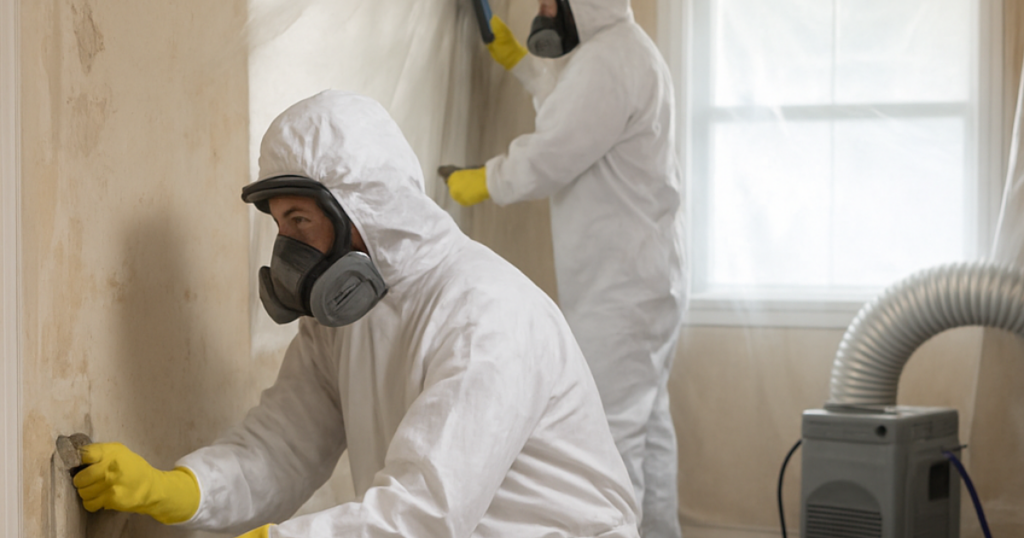
Lead abatement work should typically be performed by trained and certified professionals. Certified lead abatement contractors follow specific safety procedures designed to reduce exposure and contamination during the project.
These contractors may use:
- Specialized containment systems
- HEPA filtration equipment
- Protective gear
- Approved cleaning methods
Property owners should always verify certifications, licensing, and local requirements before hiring a contractor.
How Much Does Lead Abatement Cost?
Lead abatement costs can vary significantly depending on:
- Property size
- Severity of contamination
- Type of abatement required
- Accessibility of affected areas
- Local labor and compliance requirements
Smaller projects may cost significantly less than full-property abatement projects involving multiple rooms or exterior surfaces. Because every property is different, it’s best to obtain estimates from qualified lead abatement contractors familiar with your area and project scope.
Why Hiring Certified Professionals Matters
Lead paint abatement is not a standard painting project. Improper handling of lead-based paint can spread hazardous dust and create additional risks for occupants.
Working with certified professionals helps ensure:
- Proper containment procedures
- Safe cleanup practices
- Compliance with local regulations
- Reduced liability for property owners
Attempting major lead paint removal without the proper knowledge or equipment can create serious safety concerns.
Final Thoughts for Property Owners
Understanding lead abatement is an important part of maintaining and improving older properties. Whether you’re preparing for renovations, addressing deteriorating paint, or learning about local requirements, knowing the basics can help you make safer and more informed decisions.
If you’re working on an older home or building, it’s always a good idea to consult with qualified professionals who understand lead-safe practices and local regulations before beginning your project.