
When people think about painting, they usually focus on color—choosing the right shade, the right finish, and the right product. But ask any experienced painter, and they’ll tell you the same thing: the most important part of any paint job happens before the first coat is even applied.
Surface preparation is what determines whether your paint job looks great and lasts for years—or fails prematurely.
What is Surface Preparation?
Surface preparation refers to everything you do to get a surface ready for paint. This includes:
- Cleaning dirt, dust, and grease
- Sanding rough or glossy areas
- Filling holes and cracks
- Caulking gaps and seams
- Priming when needed
Each of these steps plays a role in helping paint properly adhere and perform the way it’s designed to.
Why Skipping Prep Leads to Problems
It’s tempting to skip prep work, especially for smaller projects or quick touch-ups. But cutting corners here almost always leads to issues down the line.
Poor Adhesion
Paint needs a clean, properly prepared surface to stick. If the surface is dirty, glossy, or unstable, the paint won’t bond correctly.
Uneven Finish
Imperfections like dents, cracks, or rough patches will show through the final coat if they’re not addressed beforehand.
Premature Peeling or Cracking
Without proper prep, paint is more likely to peel, blister, or crack over time—especially in high-traffic or high-moisture areas.
Wasted Time and Money
Fixing a failed paint job often costs more than doing it right the first time.
The Key Steps to Proper Surface Prep
While every project is different, most follow the same general process:
- Clean the Surface: Remove dust, grease, and any contaminants. Even walls that look clean can have residue that affects paint adhesion.
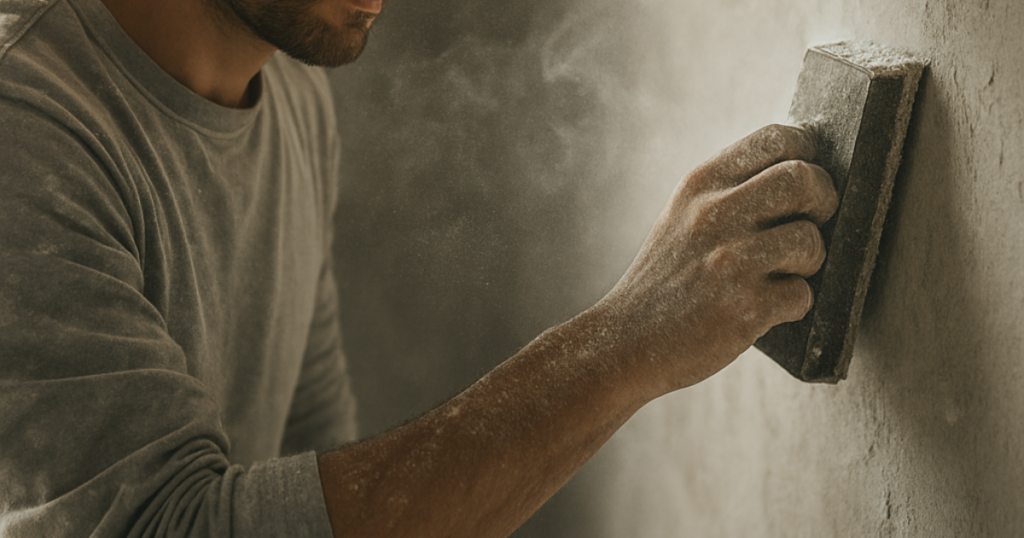
- Sand Where Needed: Sanding smooths out rough areas and helps paint adhere to glossy surfaces. This step is especially important for previously painted or finished surfaces.
- Patch and Repair: Use fillers or spackle to fix holes, dents, and cracks. Once dry, sand the repaired areas smooth so they blend into the surface.
- Caulk Gaps and Seams: Caulking helps seal joints and gaps, especially around trim, windows, and doors. It creates a clean, finished look and prevents air and moisture from getting in.
- Prime When Necessary: Primer isn’t always required, but it’s critical in certain situations—like covering stains, painting over dark colors, or working with new drywall.
The Role of the Right Products
Using the right prep materials is just as important as doing the steps themselves.
- High-quality caulks provide flexibility and durability
- Proper fillers create smooth, paint-ready surfaces
- The right primer ensures even coverage and better adhesion
Choosing the correct products for the job can make a significant difference in both appearance and longevity.
Why Prep Matters for Every Customer
Whether someone is repainting a single room or working on a larger project, surface prep applies to everyone.
For homeowners, it means:
- Better-looking results
- Longer-lasting finishes
- Fewer touch-ups later
For professionals, it means:
- More consistent outcomes
- Fewer callbacks
- Greater efficiency over time
A Better Approach to Painting
The difference between an average paint job and a professional-looking result often comes down to preparation. Taking the time to properly prep a surface ensures that the paint can do what it’s meant to do—adhere well, look great, and last.
At Loconsolo Paints, we always recommend starting with the right prep. If you’re unsure what your project needs, our team can help guide you through the process and recommend the right products to get the job done right. Find a paint store near you today!