
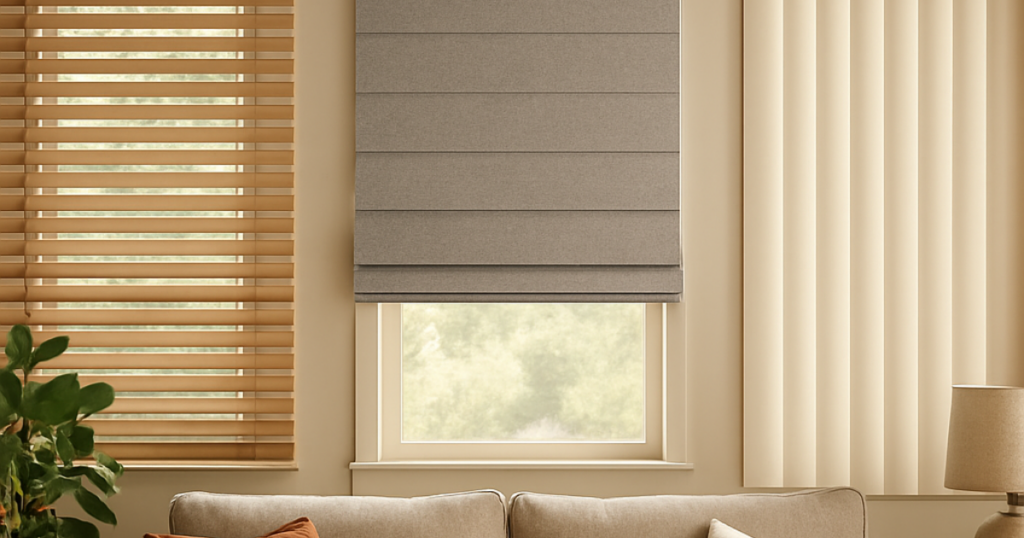
When homeowners ask about durability, they usually mean one thing: Which blinds will actually hold up in real life? Kids pulling on cords, pets jumping at windows, humidity in bathrooms, daily adjustments — durability isn’t just about material. It’s about performance over time.
The most durable types of blinds are faux wood blinds, composite blinds, heavy-gauge vinyl blinds, and certain high-quality roller or cellular shades. These options resist moisture, bending, warping, and mechanical wear better than basic aluminum or thin plastic blinds.
Let’s break it down clearly.
What Does “Durable” Really Mean for Blinds?
The material matters — but so does construction quality. Durability includes:
- Resistance to moisture and humidity
- Resistance to bending or cracking
- Strong lift mechanisms
- UV resistance
- Slats that don’t warp or twist
- Hardware that holds up over years of use
🥇 1. Faux Wood & Composite Blinds (Best Overall)
If durability is your top priority, this is usually the safest recommendation.
Why they’re durable:
- Moisture resistant (won’t warp like real wood)
- Thick, solid slats
- Stronger against impact than aluminum
- Easy to clean
- Hold their shape over time
Best for:
- Kitchens
- Bathrooms
- Kids’ rooms
- High-traffic homes
- Rental properties
Faux wood gives you the look of real wood without the humidity risk.
🥈 2. Heavy-Gauge Vinyl / PVC Blinds
Not all vinyl blinds are created equal. Cheap mini-blinds bend and break easily. But higher-quality, thicker PVC blinds are surprisingly resilient.
Why they’re durable:
- Moisture resistant
- Flexible under impact
- Won’t rust or corrode
- Easy to wipe clean
Best for:
- Playrooms
- Basements
- Utility areas
- High-use spaces
The key is thickness and build quality — thin slats won’t last.
🥉 3. High-Quality Roller Shades
This may surprise people. Roller shades often have fewer moving parts than slatted blinds, which reduces mechanical failure over time.
Why they’re durable:
- Minimal hardware stress
- No individual slats to bend
- Strong internal mechanisms (in premium versions)
- Modern fabrics resist fraying
Best for:
- Large windows
- Sliding doors
- Contemporary spaces
Fabric quality matters. Premium roller systems last significantly longer than budget versions.
🏅 4. Premium Cellular (Honeycomb) Shades
Thicker, high-quality cellular shades can be very durable — especially in cordless designs.
Why they’re durable:
- Lightweight operation reduces strain
- Fewer exposed hard parts
- Good resistance to repeated lifting
They’re also excellent for energy efficiency.
Best for:
- Bedrooms
- Living rooms
- Energy-conscious homes
Where Aluminum Blinds Fit In
Aluminum blinds are often marketed as durable — and in certain ways, they are.
There are some pros:
- Moisture resistant
- Lightweight
- Won’t warp from humidity
However, there are cons:
- They dent easily
- Once bent, slats can’t truly be fixed
- They’re more prone to visible wear in homes with kids or pets
Aluminum works well in offices or low-impact areas, but in busy households, faux wood or composite typically holds up better long term.
Blinds That Are Less Durable
If durability is your main concern, you may want to avoid:
- Thin plastic mini-blinds
- Very low-cost vinyl
- Poorly built cordless mechanisms
- Extremely narrow aluminum slats
Room-by-Room Durability Recommendations
Durability depends on environment just as much as material.
- Bathroom: Faux wood or composite
- Kitchen: Faux wood or heavy-gauge vinyl
- Kids’ Room: Faux wood or thicker vinyl
- High-Traffic Living Area: Faux wood or premium roller shade
- Formal Dining Room: Real wood (if humidity is controlled)
What Actually Makes Blinds Last Longer?
Quality hardware and professional installation make a noticeable difference. But, even the strongest blinds won’t last if:
- They’re pulled at an angle
- The cords are yanked
- They’re exposed to extreme sun without UV protection
- The installation is uneven
What This Means for Your Home
If you’re looking for the most durable blinds overall, faux wood or composite blinds are typically the safest long-term choice for busy homes. Heavy-gauge vinyl and premium roller shades are strong contenders depending on the space.
The best way to evaluate durability is to compare materials in person — feel the weight, examine the slats, and test the lift mechanism. Small differences in construction make a big difference over time.
If you’d like help choosing the right option for your space and lifestyle, visit our showroom or book a complimentary design consultation. Seeing and handling the materials side-by-side makes the durability differences clear immediately.