
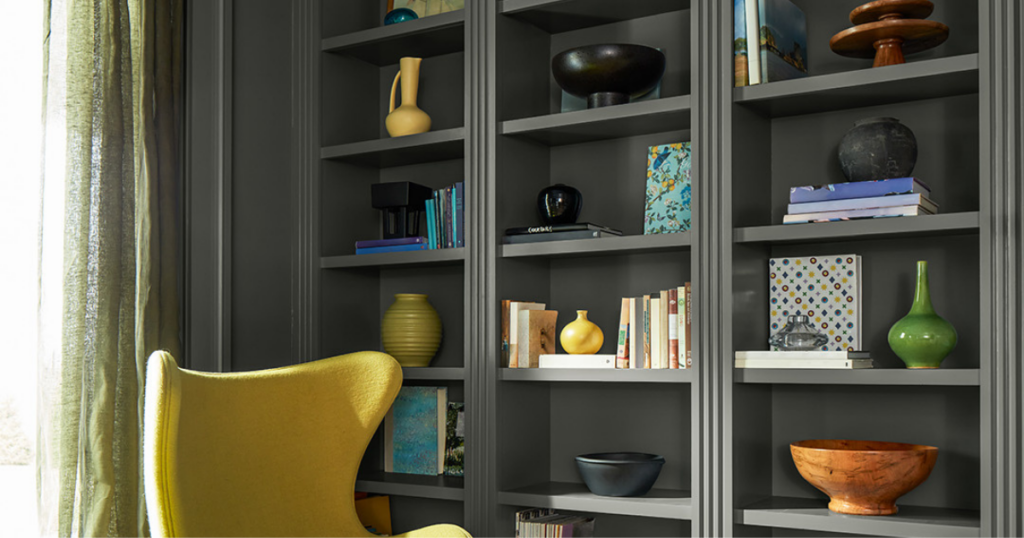
If you’ve ever heard a designer say, “This room has beautiful built-ins,” you might have wondered what that actually means.
Built-ins are permanent features that are constructed directly into a home’s architecture rather than added as standalone furniture. They’re designed to look seamless — like they were always part of the home.
From bookshelves flanking a fireplace to custom window benches and wall-to-wall cabinetry, built-ins add storage, function, and architectural character.
Let’s break down exactly what qualifies as a built-in — and why they matter.
What Counts as a Built-In?
A built-in is any feature that is:
- Permanently attached
- Integrated into the wall or structure
- Not meant to be moved
Common examples include:
- Built-in bookshelves
- Window seats
- Fireplace surrounds with shelving
- Mudroom cubbies
- Entertainment centers
- Built-in desks
- Banquette seating
- Wall-to-wall cabinetry
- Recessed niches
If it looks like part of the house and it’s not something you could slide across the floor, it’s likely a built-in.
Built-Ins vs. Furniture: What’s the Difference?
The biggest difference is permanence. A bookshelf from a furniture store can be moved. Built-in shelving is custom constructed and anchored to framing. Because built-ins are integrated into the architecture, they:
- Increase storage without taking up floor space
- Create symmetry and structure
- Add resale appeal
- Feel more custom and high-end
- They’re often used to make a home feel tailored rather than builder-basic.
Where Are Built-Ins Most Common?
Anywhere you need storage without visual clutter, built-ins are a solution. Built-ins appear in nearly every room of a home.
Living Rooms
- Shelving around fireplaces
- Media walls
- Floating cabinetry
Bedrooms
- Custom wardrobes
- Window benches
- Built-in headboards
Dining Areas
- Banquette seating
- China cabinets
Mudrooms & Entryways
- Lockers and cubbies
- Bench seating with storage
Home Offices
- Wall-to-wall desks
- Integrated shelving systems
Why Built-Ins Matter in Interior Design
Built-ins aren’t just functional — they’re architectural focal points. Because they’re permanent, they:
- Anchor a room visually
- Add depth and dimension
- Create intentional symmetry
- Increase perceived home value
And how you finish them — especially with paint — dramatically impacts the overall look.
Should Built-Ins Be Painted the Same Color as the Walls?
This depends on the design goal. Many homeowners choose to:
- Paint built-ins white for contrast
- Match them to the wall color for a seamless look
- Use a darker tone to create depth
- Or fully color drench the entire room
If you’re exploring color drenching, built-ins play a major role in achieving that immersive effect. Painting shelves, trim, and walls in the same hue creates a cohesive, high-end finish.
Sheen also matters. Built-ins typically perform best in satin or semi-gloss finishes for durability, especially on shelving and cabinetry.
Can Built-Ins Have Decorative Finishes?
Absolutely. Built-ins don’t have to be flat paint. In fact, textured finishes are becoming more popular inside niches and shelving back panels. For example:
- Lime wash can add subtle movement
- Venetian plaster can create depth
- Microcement can add a modern edge
Decorative plaster is especially effective when applied inside shelving alcoves or behind floating shelves to add contrast without changing color.
Are Built-Ins Worth the Investment?
In most cases, yes. Built-ins can:
- Improve organization
- Increase storage
- Add resale appeal
- Reduce clutter
- Make smaller spaces more functional
Because they’re permanent architectural features, they often add more long-term value than standalone furniture.
Frequently Asked Questions About Built-Ins
Do built-ins increase home value?
Well-designed built-ins often increase buyer appeal because they add storage and make a home feel custom. While exact value varies, they’re generally seen as an upgrade.
Are built-ins expensive?
Costs vary depending on materials, customization, and labor. Simple shelving may be modestly priced, while full wall cabinetry can be a larger investment.
Can built-ins be added to older homes?
Yes. Built-ins can be custom-designed for nearly any space, including older homes with unique dimensions.
What’s the best paint finish for built-ins?
Satin or semi-gloss sheens are typically recommended for durability and wipeability, especially in high-touch areas like mudrooms or entertainment centers.
Final Thoughts for Homeowners
Built-ins are one of the most effective ways to make a home feel intentional, organized, and architecturally complete.
Whether you’re designing new custom shelving or refreshing existing built-ins with paint or decorative finishes, the right color and finish choice can completely transform the look.
If you’re planning to update your built-ins, choosing the right paint, sheen, or specialty finish is just as important as the construction itself.