
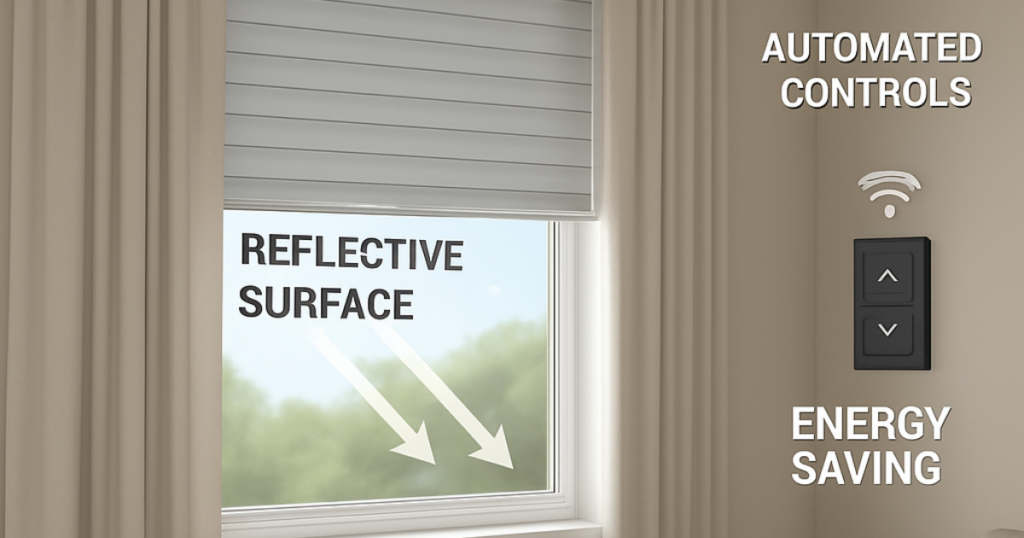
Blinds and shades can absolutely support a more energy-efficient home — but how you use them matters just as much as the product itself.
Many homeowners invest in quality window treatments but don’t adjust them throughout the day in ways that maximize comfort. With a few simple daily habits, you can reduce heat gain in summer, limit heat loss in winter, and make your home feel more comfortable without constantly adjusting the thermostat.
Here are five easy ways to improve your blinds’ energy efficiency.
1. Close Blinds at Night During the Winter
When temperatures drop, windows become one of the biggest sources of heat loss.
Closing your blinds or shades at night creates a small insulating barrier between the glass and your room. This trapped layer of air helps slow down heat transfer and can reduce that chilly drafty feeling near windows.
This habit is especially helpful in older homes or apartments in areas like Queens or Brooklyn, where winter temperatures can fluctuate and window performance varies.
2. Open Blinds on Sunny Winter Days
Energy efficiency with blinds isn’t just about blocking heat — sometimes it’s about letting it in. During sunny winter days, opening south- or west-facing blinds allows natural sunlight to warm your space. This passive solar gain can make rooms feel more comfortable and reduce the need to increase your heat during daylight hours.
Then close them again once the sun sets to trap warmth inside.
3. Close Blinds During Peak Summer Heat
In the summer, sunlight streaming through windows can quickly overheat a room. Make it a habit to close blinds during the hottest part of the day — especially on windows that receive direct afternoon sun. This helps:
- Reduce solar heat gain
- Minimize glare
- Ease the workload on your air conditioning
This small daily adjustment can make a noticeable difference in rooms that get strong sun exposure, whether you’re in the Bronx, Morris Park, or a sun-filled space in Williamsburg.
4. Adjust Blinds Throughout the Day — Not Just Once
Many people set their blinds in the morning and don’t think about them again. This is a big mistake, especially if you have blinds or curtains for large windows.
Instead of simply adjusting in the morning, try adjusting them based on:
- Sun position
- Outdoor temperature
- Time of day
- Room usage
Even partially tilting slats can help control light and heat without fully darkening a space. The more intentional you are with positioning, the more effective your blinds become as an energy-management tool.
5. Keep Blinds Fully Lowered When Insulation Matters Most
When your goal is temperature control — whether keeping heat in during winter or out during summer — make sure blinds are fully lowered and covering the entire window.
Gaps at the top or bottom allow air to circulate more freely, reducing the insulating effect. Ensuring proper coverage improves overall performance, especially with cellular or layered window treatments designed to trap air.
Small Habits, Noticeable Comfort
Blinds won’t replace proper insulation or high-performance windows, but used correctly, they can support a more stable indoor environment. Over time, these small daily habits can make rooms feel more comfortable without constantly adjusting the thermostat — and without sacrificing style.
If you’re considering upgrading your window treatments for better energy performance, choosing the right type of blind or shade is just as important as how you use it. A window treatment specialist can help you explore options that balance energy efficiency, light control, and design for your specific home. Book a consultation with our specialist and enjoy a hands-on shopping experience.
Honeycomb Cellular Shades for Premium Energy Efficiency
Cellular shades — often called honeycomb shades — are specifically designed with energy efficiency in mind. Their unique honeycomb-shaped pockets trap air inside the shade, creating an insulating barrier between your window and your home. Cellular shades are often considered one of the most effective window treatment options available.