
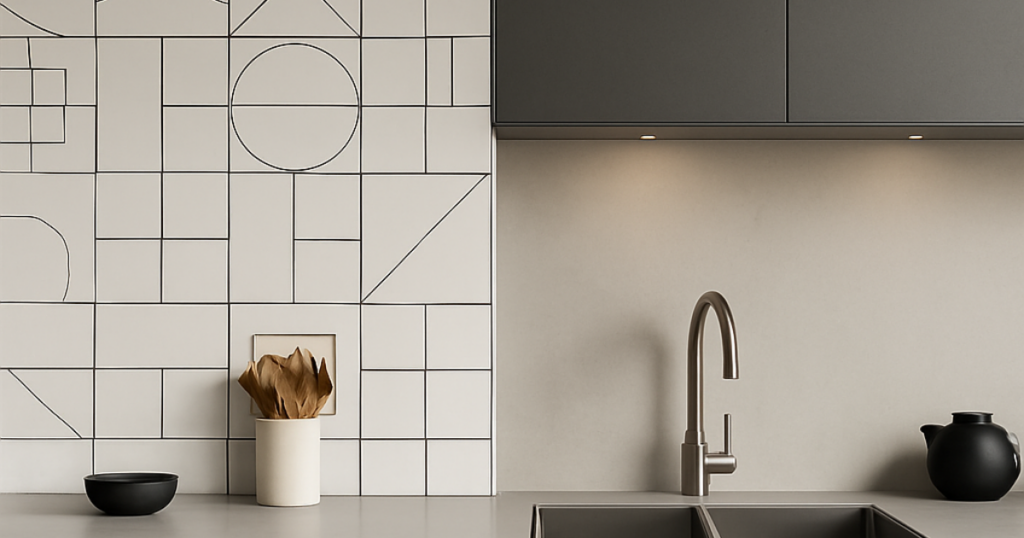
Decorative plaster can completely transform a space. From soft mineral textures to polished stone-like finishes, it brings depth, movement, and craftsmanship that standard paint simply can’t match. But as versatile as decorative plaster is, it isn’t the right solution for every surface or environment.
Like wood, marble, or tile, decorative plaster performs best when used in the right conditions and with the proper system behind it. Understanding where it shouldn’t be used — and what to choose instead — helps prevent costly mistakes and ensures your finish looks beautiful for years to come.
Below are SIX situations in which you would not want to use standard decorative plaster:
1. Areas With Standing Water (Without a Waterproof System)
One of the biggest misconceptions about decorative plaster: it’s automatically waterproof. While many plaster finishes are moisture-resistant, not all are designed to sit under constant water exposure on their own.
Standard decorative plasters are not ideal for:
- Shower floors
- Steam rooms
- Pool interiors
- Fountains or water features
In these environments, water doesn’t just splash — it lingers. Over time, constant exposure can compromise plaster finishes that aren’t built as part of a full waterproof system.
What You CAN Use Instead
Microcement or specialized waterproof plaster systems designed specifically for wet zones. These systems include primers, reinforcing layers, and protective sealers that work together to create a water-resistant surface suitable for showers and similar areas.
Decorative plaster can absolutely be part of a spa-style bathroom — but only when the correct system is used, not just the finish layer alone. Check out our Microcement vs. Tile blog post to learn more.
2. High-Traffic Commercial Floors
Decorative plaster used on walls is very different from flooring systems engineered for heavy wear. While some plaster systems can be applied to floors, standard decorative wall plasters are not built to handle constant foot traffic, heavy furniture movement, or commercial cleaning equipment.
Standard decorative plasters are not ideal for:
- Shopping mall corridors
- Restaurant kitchens
- Grocery stores
- Public building entryways
The areas listed above demand surfaces that resist abrasion, impact, and frequent cleaning. Fortunately, there are solutions.
What You CAN Use Instead
High-performance microcement or reinforced seamless floor systems specifically formulated for commercial traffic. These materials are designed to handle wear while still delivering a modern, decorative appearance.
3. Unstable, Cracked, or Damp Substrates
Decorative plaster is a finishing material — not a structural repair product. Applying it over a failing surface will not solve underlying problems and can lead to cracking, delamination, or staining later.
Avoid applying decorative plaster over:
- Actively cracking walls
- Loose or flaking old plaster
- Surfaces with rising damp or moisture intrusion
- Mold-affected areas that haven’t been properly treated
If the base surface is moving, crumbling, or holding moisture, the decorative finish on top will eventually show it.
What You CAN Use Instead
Address structural cracks, stabilize the substrate, repair damaged areas, and use appropriate primers before any decorative application. A beautiful finish always depends on proper preparation underneath. If you want the authentic beauty of natural concrete, try BetonOptic coarse-grained plaster.
4. Exterior Surfaces (Unless the Product Is Facade-Rated)
Many decorative plasters are formulated specifically for interior use. These finishes may not be designed to withstand direct rain, UV exposure, pollution, or freeze–thaw cycles. Using an interior plaster outdoors can lead to fading, cracking, or premature deterioration.
Standard decorative plasters are not ideal for:
- Exterior walls exposed to weather
- Outdoor kitchens
- Uncovered balconies
What You Can Use Instead
Facade-rated decorative plasters like Marmorino Palladino by MEODED, are formulated for exterior durability. These products are engineered to resist UV rays, precipitation, and temperature fluctuations while still providing decorative texture.
Always check that the plaster system is rated for exterior use before applying it outdoors.
5. Clients Expecting Zero Maintenance Ever
Decorative plaster is durable, but it is still a crafted surface — similar to natural stone or wood. Over time, minor marks, subtle wear, or a need for resealing may occur, especially in high-use areas. This doesn’t mean the finish fails; it means it behaves like a natural material rather than a plastic one.
Decorative plaster may not be the best fit for someone expecting:
- A completely maintenance-free surface forever
- No visible aging or character development
- Resistance to all scratches or impact
What You Should Understand Instead
With proper sealing and normal care, decorative plaster lasts for many years and can often be refreshed rather than replaced. Its ability to age gracefully is part of its appeal.
6. Lower Budget Projects Expecting Luxury Results
Decorative plaster is a craft-applied finish. It involves multiple layers, specialized tools, and skilled labor. The visual depth and texture come from hand application, not mass production.
For projects with very tight budgets, where the goal is simply to cover walls as inexpensively as possible, decorative plaster may not be the most practical choice.
What You CAN Use Instead
High-quality paint systems or cost-effective wall coverings can provide a clean look at a lower price point. Decorative plaster is best reserved for projects where texture, depth, and a premium aesthetic are priorities.
Where Decorative Plaster Truly Shines
While there are situations where decorative plaster isn’t ideal, there are many where it excels and delivers unmatched results.
Decorative plaster is perfect for:
- Feature walls in living rooms and bedrooms
- Entryways and statement spaces
- Hospitality interiors such as hotels and restaurants
- Modern and minimalist homes
- Bathrooms and wet areas when installed as part of a proper waterproof system
In these settings, decorative plaster creates seamless, elegant surfaces with a level of richness and character that few other materials can achieve.
Final Thoughts
Decorative plaster is a powerful design tool, but like any premium material, it performs best when used thoughtfully. Choosing the right system, preparing the surface correctly, and matching the finish to the environment are what separate long-lasting, beautiful results from avoidable problems.
When applied in the right place and with the right supporting layers, decorative plaster delivers timeless texture, durability, and a refined architectural look that transforms ordinary walls into standout surfaces.