
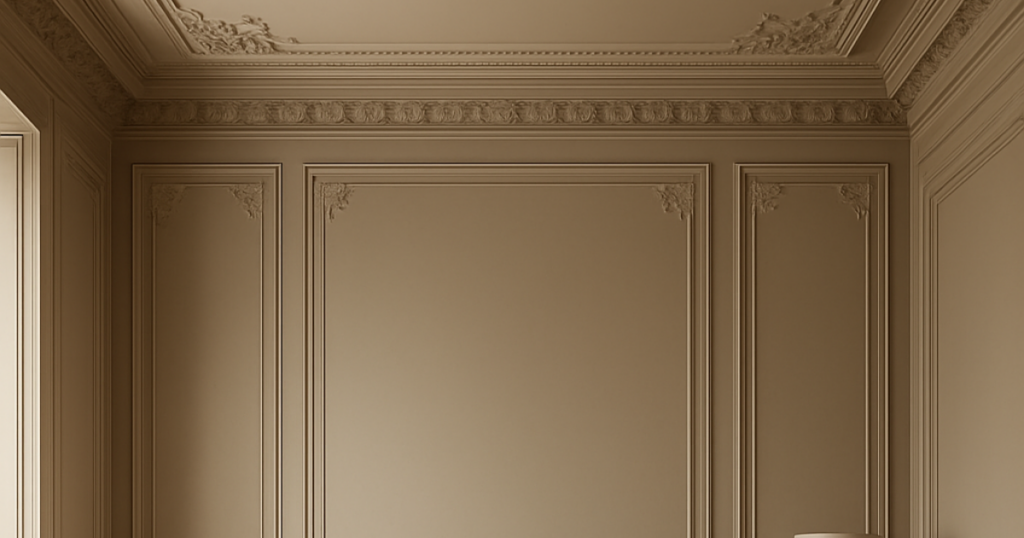
Color drenching is one of the biggest interior paint trends right now — but it’s more than just painting a room a bold color. When done correctly, color drenching creates a rich, immersive space that feels intentional, cohesive, and elevated.
If you’re considering this design approach, here’s what color drenching means, how to use it properly, and which rooms in your home work best.
What is Color Drenching?
Color drenching is the practice of painting walls, trim, doors, ceilings, and sometimes built-ins in the same color. Instead of using contrasting white trim or a different ceiling color, the entire room is wrapped in one continuous hue.
The effect:
- Fewer visual breaks
- A more architectural feel
- A cohesive, high-end look
- Stronger mood and depth
- Rather than making a space feel smaller, color drenching often makes rooms feel more complete and thoughtfully designed.
Why Color Drenching Works
Color drenching works because it simplifies the visual field. When trim, moldings, and ceilings blend with the walls, architectural details stand out through shadow and sheen instead of contrast.
It’s especially effective in:
- Dining rooms
- Home offices
- Bedrooms
- Powder rooms
- Libraries or dens
- It can also pair beautifully with textured finishes like lime wash or clay plaster. If you’re exploring specialty finishes, you may want to read our guide on decorative plaster in a home plus room ideas, which highlights spaces where immersive wall treatments shine.
How to Use Color Drenching in Your Home
Color drenching isn’t just “paint everything the same color.” Execution matters.
1. Choose the Right Color
Mid-tones and deeper shades typically work best. Think:
- Moody blues
- Earthy greens
- Warm taupes
- Deep neutrals
- Soft charcoals
Always test samples in your lighting before committing. Very bright whites or ultra-light pastels won’t create the same enveloping effect.
2. Use Sheen Strategically
This is where many homeowners make mistakes. Even when using the same color, sheen variation adds dimension.
For example:
- Walls → matte or eggshell
- Trim & doors → semi-gloss
- Ceilings → flat
The color stays consistent, but light reflects differently across surfaces, creating subtle contrast and depth.
If you’re unsure which finish to use in each area, our guide on What Is Paint Sheen? breaks down how sheen impacts durability, lighting, and overall appearance.
3. Consider Window Treatments
Color drenching works best when the entire room feels cohesive — and that includes window treatments.
If you’re deciding between blinds and shades in a color-drenched space, you’ll want something that complements the tone rather than interrupts it. We break this down in our article Blinds vs. Shades: The Difference & Which Is Best for Your Home, which can help you choose the right window treatment to maintain that seamless look.
Neutral woven shades, fabric Roman shades, or tone-on-tone blinds often work beautifully in drenched spaces.
Best Rooms for Color Drenching
Small Rooms
Powder rooms and home offices are ideal. The immersive effect makes the room feel intentional rather than cramped.
Bedrooms
Using a single calming color on walls, ceiling, and trim creates a restful, cocoon-like environment.
Rooms With Heavy Trim
If your home has detailed moldings or paneling, color drenching can unify those features while still letting them stand out through shadow.
When Color Drenching May Not Be Ideal
While this trend works in many homes, it may not be the best choice if:
- You prefer strong white trim contrast
- Your home has a very open floor plan without clear room divisions
- You want a light, airy coastal aesthetic
In those cases, contrast can help maintain visual separation.
Does Color Drenching Make a Room Look Smaller?
Not necessarily. Because there are fewer visual breaks, the eye moves more fluidly around the space. In many cases, color drenching actually makes a room feel more expansive and architectural — especially when the color choice is balanced properly.
Lighting plays a major role here, so always evaluate your color throughout the day.
Frequently Asked Questions About Color Drenching
Does color drenching make a room look smaller?
Not necessarily. In many cases, removing visual breaks can make a space feel larger and more cohesive. Dark colors can feel cozy, but the continuous flow often expands the perception of the room.
Can I use decorative plaster instead of traditional paint for color drenching?
Yes. Decorative plaster can achieve a similar immersive effect while adding movement and texture. If you want to understand the different types of plaster finishes and where they work best, our decorative plaster overview breaks it down in detail.
Should ceilings always be the same color when color drenching?
For a true drenching effect, yes. Painting the ceiling the same color eliminates harsh contrast and enhances the enveloping feel.
Is color drenching expensive?
It can require more paint since you’re covering more surfaces, but it doesn’t necessarily increase labor significantly. The biggest investment is choosing the right color and finish combination from the start.
Final Thoughts
Color drenching is more than a trend — it’s a thoughtful design technique that creates depth, mood, and cohesion. When paired with the right sheen, finish, and window treatments, it can dramatically elevate a space.
If you’re considering color drenching in your home, take time to test colors, understand sheen differences, and think through how the entire room — including trim, ceilings, and window treatments — will work together.
Done correctly, color drenching doesn’t just change a room. It transforms how it feels.