
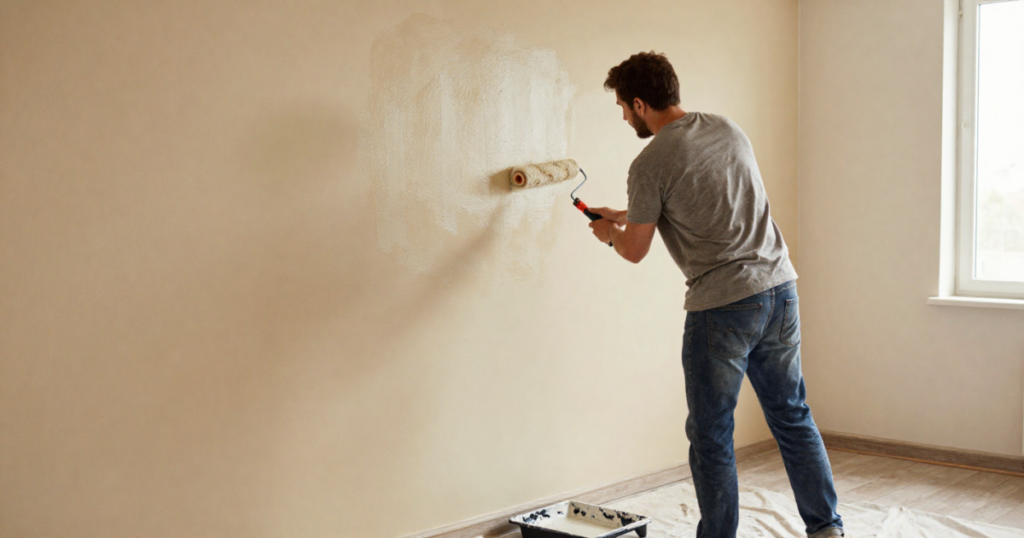
Painting a room can completely transform a space, but sometimes the finished result does not look as smooth or consistent as expected. Uneven paint, streaks, patchy areas, visible roller marks, and different sheens are common problems homeowners run into after painting.
The good news is that most uneven paint problems can be fixed. The right solution depends on what caused the issue, whether it is poor coverage, improper technique, surface preparation, or paint drying inconsistently.
In this guide, we’ll explain how to fix uneven paint on walls and how to achieve a smooth, professional-looking finish.
Why Does Paint Look Uneven?
Uneven paint can happen for several reasons, including:
- Applying paint unevenly
- Using the wrong roller or brush
- Not applying enough coats
- Painting over an unprepared surface
- Skipping primer
- Touching up with paint that does not match
- Using different paint sheens
- Allowing sections to dry before blending
Before fixing the problem, it helps to identify what caused the uneven finish.
How to Fix Uneven Paint on Walls
Step 1: Identify the Problem Areas
Different problems require different solutions. Inspect the wall under good lighting and look for:
- Streaks
- Roller marks
- Thin or patchy spots
- Visible brush strokes
- Uneven color
- Shiny or dull areas
Step 2: Determine What Caused the Uneven Paint
Common causes include:
- Poor coverage: Some areas may not have received enough paint or may require additional coats.
- Uneven application: Applying inconsistent pressure with a roller or brush can create visible differences.
- Surface issues: Walls that were not properly cleaned, repaired, or primed can absorb paint unevenly.
- Touch-up problems: Even the correct color may look different if the existing paint has aged or the sheen has changed.
Step 3: Prepare the Surface
A smooth, properly prepared surface is the foundation for a consistent finish. Before repainting:
- Lightly sand rough or raised areas
- Remove dust and debris
- Repair dents, holes, or imperfections
- Prime areas where paint is absorbing differently
Step 4: Apply a New Coat of Paint
For the best results:
- Use quality paint
- Use the correct roller nap
- Apply consistent pressure
- Maintain a wet edge while painting
- Apply even coats
If possible, repaint the entire wall instead of only touching up problem areas. This helps create a more uniform finish.
How to Fix Uneven Paint Layers
Uneven paint layers usually happen when certain sections receive more paint than others or when multiple coats are applied inconsistently. To fix uneven layers:
- Allow the paint to fully dry
- Lightly sand any raised areas
- Remove dust
- Apply another consistent coat of paint
Avoid adding small amounts of paint only to problem spots, as this can make the uneven areas stand out more.
How to Fix Uneven Paint Sheen
Sometimes the color looks correct, but parts of the wall appear shinier or flatter than others. This can happen because:
- Different amounts of paint were applied
- The surface absorbed paint differently
- Touch-up paint was applied over an existing finish
- The wrong sheen was used
To fix uneven sheen:
- Lightly sand the affected area
- Apply primer if needed
- Repaint the entire wall. Painting the full wall is often the best way to achieve a consistent sheen
How to Fix Paint Streaks on Walls
Paint streaks are usually caused by:
- Using too little paint
- Overworking the paint
- Uneven roller pressure
- Allowing sections to dry before blending
To correct streaks:
- Let the paint dry completely
- Sand any rough areas
- Apply a fresh coat evenly
- Keep a wet edge while rolling
Proper technique and quality tools make a major difference.
How to Fix Uneven Paint Lines
Uneven paint lines commonly happen around:
- Ceilings
- Trim
- Corners
- Accent walls
To fix uneven edges:
- Allow the paint to dry
- Lightly sand rough edges
- Use painter’s tape if needed
- Carefully repaint the line
- A high-quality angled brush can help create cleaner edges
How to Fix Uneven Ceiling Paint
Ceilings can be difficult because lighting often reveals imperfections. Uneven ceiling paint is commonly caused by:
- Roller marks
- Inconsistent coverage
- Poor blending
- Different drying times
To fix uneven ceiling paint:
- Use paint designed for ceilings
- Maintain consistent roller pressure
- Work in manageable sections
- Apply another coat if needed
How to Fix Uneven Touch-up Paint
Touch-up paint can sometimes look different from the surrounding wall even when the color is correct. This happens because:
- The original paint has aged
- The wall has changed over time
- The sheen no longer matches
- The surface absorbs new paint differently
To fix uneven touch-up paint:
- Clean the area
- Lightly sand if needed
- Apply primer if the patch is noticeable
- Repaint the entire wall for the most consistent result
Can You Fix Uneven Paint Without Repainting?
Minor issues can sometimes be improved with light sanding, small touch-ups, and blending techniques. However, if the issue involves uneven sheen, poor coverage, or mismatched touch-ups, repainting the entire wall is usually the best solution.
How to Prevent Uneven Paint
The best way to avoid uneven paint is proper preparation and application. Before painting always make sure to clean the surface, repair wall imperfections, use the correct primer, choose the right paint and finish, use quality tools, apply consistent coats, and avoid painting in extreme temperatures.
Taking time during preparation can prevent many common paint problems.
Final Thoughts
If you need help choosing the right paint, primer, or tools for your project, visit any Loconsolo Paints store for expert guidance from our team. Our team members are trained, educated on the products, and ready to help you shop today!