
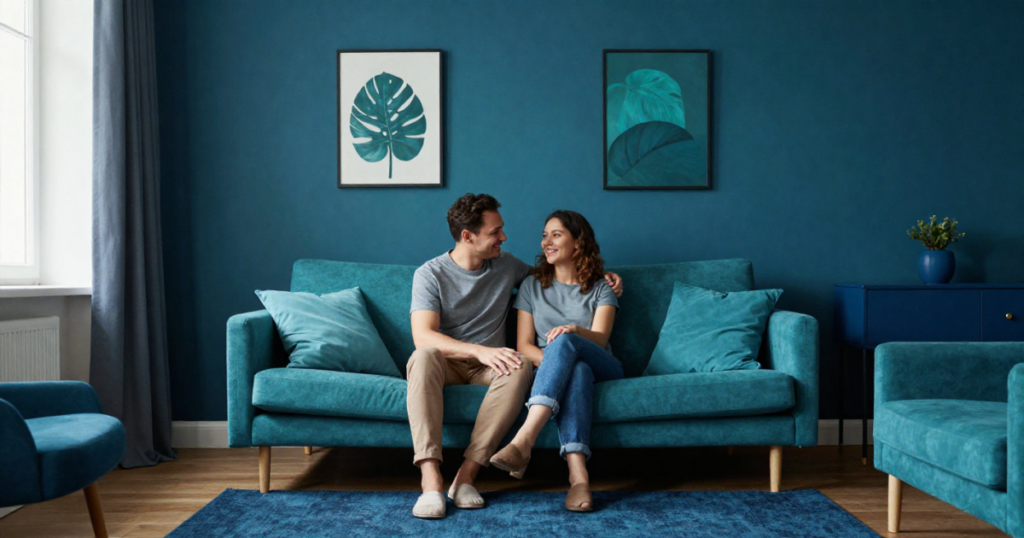
A monochromatic color scheme is one of the most timeless approaches in interior design. By using different shades, tones, and intensities of a single color, you can create a space that feels cohesive, balanced, and intentional.
From soft neutral rooms to dramatic single-color spaces, monochromatic design can create anything from calm and relaxing to bold and sophisticated.
In this guide, we’ll explain what monochromatic means, what monochromatic colors are, and how to use a monochromatic color scheme with paint in your home.
What Does Monochromatic Mean?
The word monochromatic means using variations of a single color. A monochromatic color scheme does not mean using only one exact shade. Instead, it uses different versions of the same color family, including:
- Light shades
- Dark shades
- Muted tones
- Different intensities
For example, a blue monochromatic room could include:
- Soft sky blue walls
- Medium blue furniture
- Deep navy accents
Everything works together because the colors share the same base hue.
What Are Monochromatic Colors?
Monochromatic colors are different variations of one color. They are created by adjusting a color in three main ways:
- Tint: A tint is created when white is added to a color. For example, a soft pastel blue.
- Shade: A shade is created when black is added to a color. For example, a deep navy blue.
- Tone: A tone is created when gray is added to a color. For example, a muted dusty blue.
These variations allow you to create depth and interest while keeping the overall palette connected.
Monochromatic vs. Complementary vs. Analogous Color Schemes
Monochromatic is just one approach to creating a color palette. Monochromatic palettes tend to feel more subtle and harmonious, while complementary palettes create more contrast.
| Color Scheme | What It Means | Example |
|---|---|---|
| Monochromatic Color Scheme | Uses different variations of a single color, including different shades, tints, and tones. | Light blue → Medium blue → Navy |
| Analogous Color Scheme | Uses colors that sit next to each other on the color wheel and naturally blend together. | Blue → Blue-green → Green |
| Complementary Color Scheme | Uses colors that sit opposite each other on the color wheel to create stronger contrast. | Blue + Orange |
What is a Monochromatic Color Scheme in Interior Design?
In a home, a monochromatic color scheme means creating a room using one dominant color family. Instead of combining many unrelated colors, the design focuses on one cohesive palette. A monochromatic room may include:
- Wall color
- Furniture
- Fabrics
- Artwork
- Decorative accents
The goal is to create a space where everything feels connected.
Benefits of a Monochromatic Color Scheme
- Creates a Calm Feeling. Because the colors are closely related, monochromatic rooms often feel peaceful and organized. This approach works especially well in: Bedrooms, Living rooms, Relaxing spaces.
- Makes a Room Feel More Cohesive. Using one color family helps connect different elements throughout a space. Paint, furniture, and décor feel intentional instead of competing with one another.
- Adds Sophistication. Monochromatic design often creates an elevated look by focusing on: Texture, Layering, Contrast, Materials. Instead of relying on many different colors, the design lets the details stand out.
Examples of Monochromatic Color Schemes
Blue Monochromatic Color Scheme: A blue monochromatic palette can range from soft and airy to bold and dramatic. A blue room could include:
- Light blue walls
- Medium blue furnishings
- Deep navy accents
Popular Benjamin Moore blue colors include:
- Benjamin Moore Breath of Fresh Air 806
- Benjamin Moore Van Courtland Blue HC-145
- Benjamin Moore Hale Navy HC-154
Green Monochromatic Color Scheme: Green creates a natural, calming atmosphere. A green monochromatic palette might include:
- Soft sage greens
- Mid-tone greens
- Deep forest greens
Popular Benjamin Moore green colors include:
- Benjamin Moore Saybrook Sage HC-114
- Benjamin Moore October Mist 1495
- Benjamin Moore Hunter Green 2041-10
Neutral Monochromatic Color Scheme: Neutral monochromatic rooms are some of the most popular because they feel timeless and versatile. A neutral palette may include:
- Cream
- Beige
- Greige
- Soft gray
Popular Benjamin Moore neutral colors include:
- Benjamin Moore White Dove OC-17
- Benjamin Moore Edgecomb Gray HC-173
- Benjamin Moore Pale Oak OC-20
How to Create a Monochromatic Room Without Making it Boring
A successful monochromatic room relies on layering.
- Use Different Textures: Combine materials like wood, fabric, stone, metal, and natural fibers.
- Use Multiple Shades: Avoid using the exact same color everywhere. Mix lighter and darker versions to create depth.
- Add Contrast: Small touches of contrast can keep the room from feeling flat. For example: Dark furniture with lighter walls, light trim with deeper wall colors, and metallic accents.
Is a Monochromatic Color Scheme Right for Your Home?
A monochromatic palette works well if you prefer:
- A clean look
- A calm atmosphere
- Timeless design
- Coordinated spaces
It may not be the best choice if you prefer:
- High contrast
- Many different colors
- More eclectic design styles
Final Thoughts
Need help choosing the perfect colors? Visit our New York paint stores near you for expert guidance, Benjamin Moore paint, and professional color recommendations.