
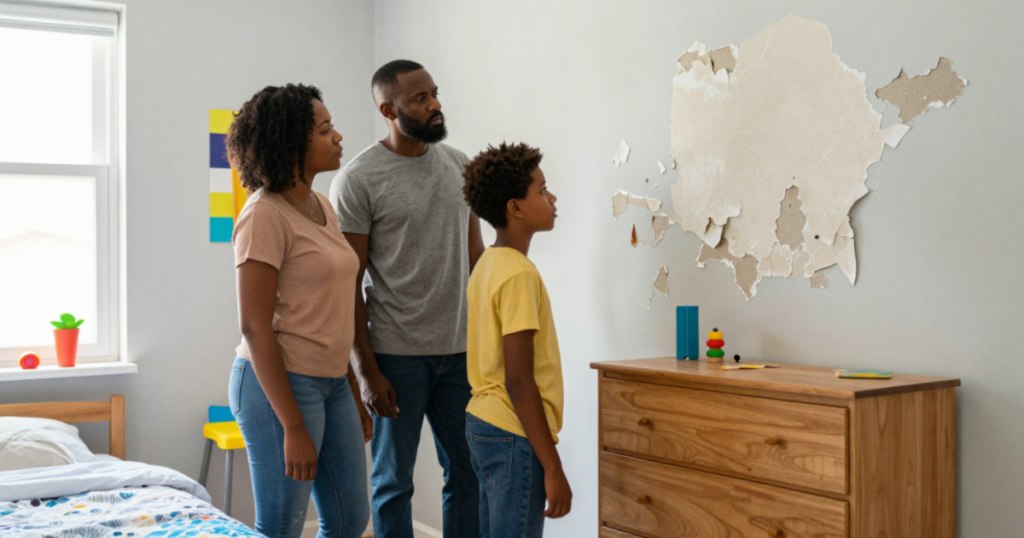
Peeling paint is more than just an eyesore—it can leave your walls looking worn and, if left untreated, may lead to further paint failure. Whether the damage is caused by moisture, poor surface preparation, or normal wear and tear, repairing peeling paint is the key to achieving a smooth, long-lasting finish.
In this guide, we’ll explain why paint peels, walk you through the repair process step by step, and share tips to help prevent the problem from happening again.
Why Does Paint Peel?
Before repairing peeling paint, it’s important to understand what caused it in the first place. If the underlying problem isn’t addressed, even the best repair may fail over time. Some of the most common causes of peeling paint include:
- Moisture from leaks, humidity, or condensation
- Painting over dirty or dusty surfaces
- Applying paint without the proper primer
- Painting over glossy finishes without sanding
- Using low-quality paint or incompatible products
- Applying paint before previous coats have fully dried
Once you’ve identified and corrected the cause, you’re ready to begin the repair.
Tools and Materials for Fixing Peeling Paint
Before getting started, gather the following supplies:
- Paint scraper or putty knife
- Sandpaper (120-220 grit)
- Spackling compound or drywall joint compound (if needed)
- Paint primer
- Matching paint
- Paint brush or roller
- Drop cloth
- Safety glasses and dust mask
Step 1: Remove the Loose Paint
Using a paint scraper or putty knife, carefully remove all loose, peeling, or flaking paint. Continue scraping until you reach paint that is firmly bonded to the surface.
Although it may be tempting to remove only the visibly damaged areas, taking the time to remove all loose paint will help create a longer-lasting repair.
Step 2: Sand the Surface Smooth
Once the loose paint has been removed, sand the edges of the remaining paint to feather them into the surrounding surface. This helps eliminate visible ridges and creates a smooth transition for the new paint.
If necessary, lightly sand the entire repair area to improve primer adhesion.
Step 3: Repair Any Surface Damage
If peeling paint removed part of the drywall paper or left dents, holes, or uneven areas, apply a thin coat of spackling compound or joint compound. Allow the repair to dry completely before sanding it smooth so the surface is level with the surrounding wall.
Step 4: Prime the Area
Using paint primer is one of the most important steps when repairing peeling paint. It seals repaired areas, promotes better adhesion, and helps create a uniform finish.
Choose a quality primer designed for your surface, especially if you’re covering patched drywall, exposed wood, or stained areas. Allow the primer to dry according to the manufacturer’s instructions before painting.
Step 5: Apply the Paint
Once the primer has dried, apply your matching paint using a brush or roller. Depending on the color and surface, you may need two coats to achieve full coverage. Allow each coat to dry completely before applying the next.
If you’re only repairing a small section, feather the paint into the surrounding area for the best blend.
How To Fix Peeling Paint on Drywall
Peeling paint on drywall often occurs when the surface wasn’t properly primed or prepared before painting. If the drywall paper has been damaged during scraping, seal the exposed paper with a primer before applying joint compound. This helps prevent bubbling and creates a stronger repair.
Once the area has been repaired, primed, and painted, the finish should blend smoothly with the rest of the wall.
How To Fix Peeling Paint on a Ceiling
Repairing peeling paint on a ceiling follows the same basic process, but it’s especially important to identify the cause before repainting. Ceiling paint often peels because of roof leaks, plumbing leaks, or excessive humidity in bathrooms and kitchens. Fix the moisture issue first before making cosmetic repairs.
Because you’ll be working overhead, wear eye protection and use drop cloths to protect the surrounding area.
How To Fix Peeling Paint in a Bathroom
Bathrooms experience high humidity, making them one of the most common places for peeling paint.
After repairing the damaged area, use a high-quality bathroom paint finishes designed to resist moisture and mildew. Improving ventilation by using an exhaust fan during and after showers can also help prevent future peeling.
How To Prevent Paint From Peeling Again
A proper repair is only part of the solution. Taking a few extra steps can help keep paint looking its best for years to come. To reduce the risk of peeling paint:
- Fix leaks and moisture problems promptly.
- Clean surfaces before painting.
- Sand glossy finishes when needed.
- Always use the appropriate primer.
- Allow adequate drying time between coats.
- Choose a high-quality paint designed for the space you’re painting.
When Should You Repaint Instead of Repair?
Small areas of peeling paint can usually be repaired without repainting the entire room.
However, if peeling is widespread, appears in multiple locations, or continues after previous repairs, it may be more effective to repaint the entire surface. This often indicates a larger issue with adhesion or moisture that should be corrected before applying new paint.
Final Thoughts
Need help choosing the right primer, paint, or repair products? Stop by Loconsolo Paints and our team will help you find everything you need! Visit any of our paint store locations in NYC for the best customer service experience. Our team is knowledgeable, and ready to help while you shop!