
With rising energy costs and changing seasons, many homeowners are looking for ways to make their homes more comfortable without major renovations. One common question is: Can blinds help with energy efficiency?
The answer is yes — the right blinds and window coverings can make a noticeable difference. While they won’t replace proper insulation or new windows, they can help reduce heat gain or loss, limit drafts, and support a more stable indoor temperature throughout the year. Visit a Loconsolo Paints store near you to find the perfect blinds for your home.
Here’s how blinds contribute to a more energy-efficient home.
How Windows Affect Your Home’s Energy Use
Blinds and shades act as an added layer between your home and the window, helping to slow down that heat exchange. Windows are one of the biggest sources of heat loss in winter and heat gain in summer. Even well-installed windows allow some level of temperature transfer.
- In winter, warm indoor air can escape through glass
- In summer, sunlight can heat up rooms quickly
- Drafts near windows can make rooms feel colder than the thermostat setting
How Blinds Help in the Winter
During colder months, blinds can help keep warm air inside your home. When closed, blinds create a small pocket of air between the window and the room. This layer helps reduce the amount of heat that escapes through the glass. While the effect may seem subtle, over time it can help rooms feel less drafty and more comfortable.
Blinds are especially helpful at night, when outside temperatures drop and heat loss through windows increases.
How Blinds Help in the Summer
Blinds also play an important role during warmer months by reducing solar heat gain. Direct sunlight through uncovered windows can quickly warm up a space, especially in rooms with large or west-facing windows. Closing blinds during the hottest parts of the day can:
- Block direct sunlight
- Reduce glare
- Keep indoor temperatures more stable
- Lighten the load on your air conditioning system
This is particularly useful in sunny urban homes and apartments, whether you’re in Queens, Brooklyn, or other dense neighborhoods where buildings can trap heat.
Which Types of Blinds Are Most Energy Efficient?
Not all window treatments perform the same when it comes to insulation. Some styles are better suited for improving energy efficiency.
Cellular (Honeycomb) Shades
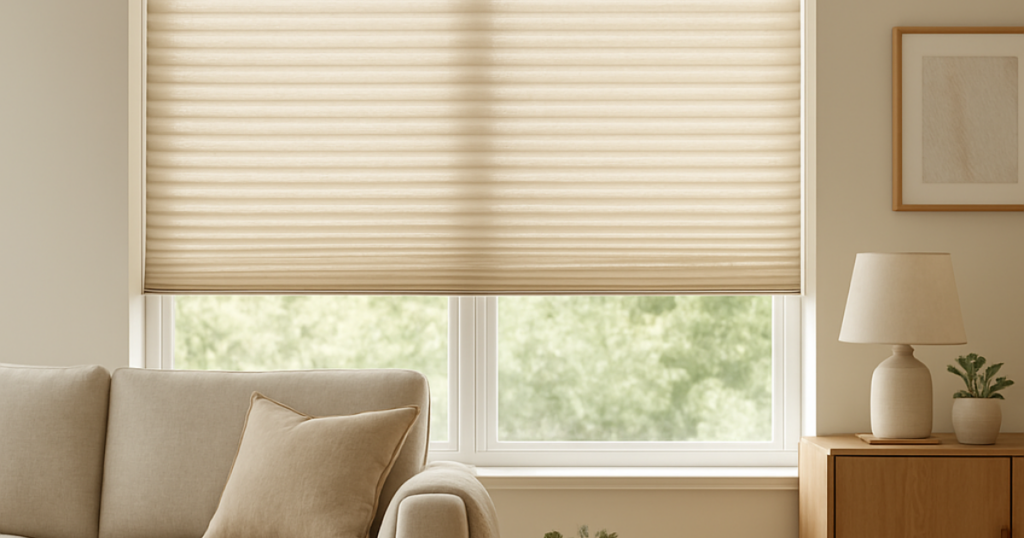
These are among the most energy-efficient window coverings available. Their unique honeycomb-shaped cells trap air, creating an insulating barrier between the window and the room.
Cellular shades are a popular choice for homeowners looking to improve comfort in both winter and summer.
Roman Shades
Fabric Roman shades add a layer of material over the window, helping reduce drafts and sunlight. While not as insulating as cellular, Roman shades still offer noticeable energy benefits when fully lowered.
Layered Window Treatments
Combining blinds or shades with drapery panels can improve performance even more. The extra fabric layer helps block airflow and light, increasing the overall insulating effect.
Do Blinds Completely Stop Heat Loss or Gain?
Blinds help, but they are part of a bigger picture. They won’t eliminate heat transfer entirely, especially if windows are older or poorly sealed. However, when used at the right times, they can make a big difference in the climate of your home. Blinds closed at night in winter and during peak sun hours in summer can support a more energy-efficient home and improve day-to-day comfort.
Think of blinds as a practical upgrade that works alongside insulation, weatherstripping, and efficient HVAC systems.
Smart Tips to Make a Difference
How you use your blinds matters just as much as the type you choose. These small daily habits can make rooms feel more comfortable without constantly adjusting the thermostat.
✔ Close blinds at night in winter to reduce heat loss
✔ Open them during sunny winter days to let in warmth
✔ Close them during hot summer afternoons to block heat
✔ Adjust throughout the day to balance light and temperature
Energy Efficiency Meets Design
One of the biggest advantages of modern blinds and shades is that you don’t have to sacrifice style for performance. Today’s window treatments are available in a wide range of fabrics, colors, and designs that work with both traditional and contemporary interiors.
Whether you’re updating a brownstone in Brooklyn, an apartment in Williamsburg, or a home in neighborhoods like Morris Park in the Bronx, energy-efficient window treatments can blend comfort with great design.
Get Expert Help Choosing Energy-Efficient Blinds
Every home is different, and factors like window size, sun exposure, and room use all play a role in selecting the right solution. Speaking with a window treatment specialist can help you choose blinds or shades that improve comfort while still fitting your style and budget.
If you’re exploring new blinds, book a design consultation at Loconsolo Paints and get personalized guidance to make the process easy and stress-free.