
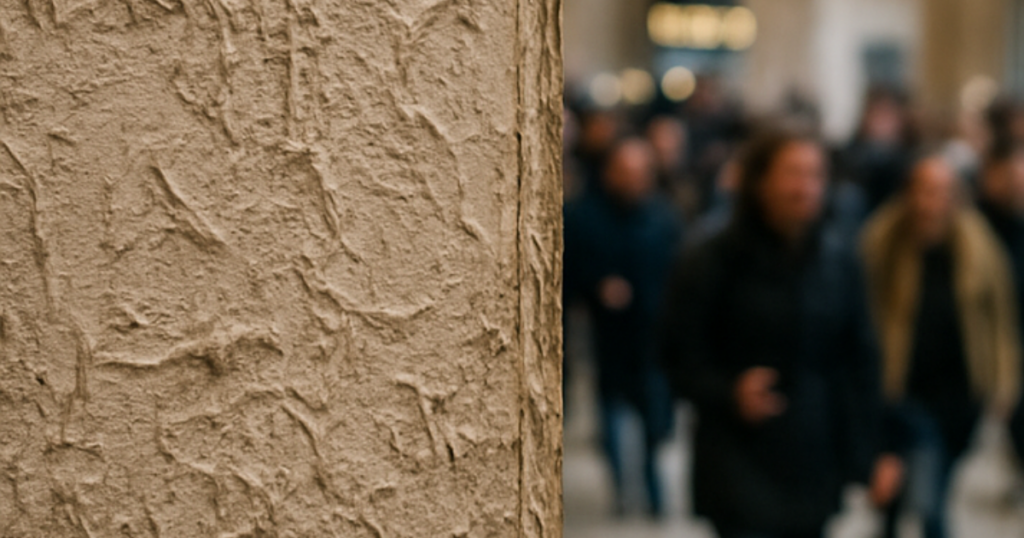
Decorative plaster is often chosen for its depth, texture, and high-end, handcrafted look. But once homeowners fall in love with the finish, the next question is: Will it hold up in real life?
The good news is that decorative plaster isn’t just beautiful — it’s surprisingly durable when applied correctly. From busy hallways to humid bathrooms, modern plaster systems are designed to last for years while remaining repairable and easy to maintain.
Let’s break down what you can really expect from decorative plaster over time.
Is Decorative Plaster Stronger Than Paint?
In most cases, yes. Decorative plaster forms a thicker, mineral-based surface compared to standard interior paint, which sits in a thin film on top of drywall. Because of this, plaster finishes are typically:
- More resistant to minor bumps and scuffs
- Less likely to peel or bubble
- Better at hiding small surface imperfections over time
Paint can chip or show wear quickly in high-contact areas, while plaster tends to wear more gracefully, developing subtle character instead of obvious damage.
Does Decorative Plaster Crack Over Time?
Decorative plaster itself is not inherently prone to cracking — but like any rigid wall finish, it depends heavily on the surface underneath it. Cracks usually happen because of:
- Structural movement
- Poor wall preparation
- Existing cracks not properly repaired before application
When walls are properly prepped and stabilized, decorative plaster performs very well long term. Flexible systems such as microcement are often used in areas where slight movement may occur, helping reduce the risk of hairline cracking.
👉 Related reading: How to Prepare Walls for Decorative Plaster
Can Decorative Plaster Handle High-Traffic Areas?
Yes — and this is one of its underrated strengths. Decorative plaster is commonly used in:
- Entryways
- Hallways
- Stairwells
- Commercial spaces
Because the finish is thicker and often sealed with a protective topcoat, it stands up better to everyday contact than flat paint. In high-traffic areas, a protective varnish or sealer can be applied to increase resistance to scuffs, dirt, and cleaning.
Is Decorative Plaster Suitable for Bathrooms and Kitchens?
Many people assume plaster and moisture don’t mix, but modern decorative plaster systems are frequently used in kitchens and bathrooms. Key advantages include:
- Breathability – Mineral-based plasters allow moisture vapor to pass through, helping reduce trapped humidity in walls.
- Seamless application – Fewer joints means fewer places for moisture to penetrate.
- Protective finishes – Sealers and varnishes can make the surface moisture-resistant and washable.
That said, not every plaster is right for every wet area. Showers and constantly soaked surfaces may require specialized systems like microcement with waterproof coatings.
👉 Related reading: Microcement vs Tile: Which Is Better for Bathrooms?
👉 Also helpful: When NOT to Use Decorative Plaster
What Happens If Decorative Plaster Gets Damaged?
This is one of the biggest advantages decorative plaster has over wallpaper or specialty paints…it’s repairable! Small dents, scratches, or worn spots can often be:
- Touched up locally
- Re-burnished or re-polished
- Blended without redoing the entire wall
Because the finish has natural variation in tone and texture, minor repairs tend to blend more easily than you’d expect. Instead of needing to repaint an entire wall to match, professionals can usually restore just the affected area.
How Long Does Decorative Plaster Last?
When properly installed and maintained, decorative plaster is considered a long-term wall finish. In many interiors, it can last:
- 10–20+ years on walls
- Even longer in low-impact areas
Unlike paint, which often requires full repainting every few years, plaster surfaces age more like natural stone. Subtle changes in sheen or tone over time often add to the character rather than detract from it.
How Do You Maintain Decorative Plaster?
Maintenance is simple and one of the reasons plaster works well in real homes. These maintenance steps are far less disruptive than repainting or replacing wallpaper and can extend the life of the finish significantly.
General Care
- Dust with a soft cloth or microfiber duster
- Avoid abrasive scrubbers or harsh chemical cleaners
- Clean gently with a damp cloth when needed
Special Care In Kitchens & Bathrooms
If the surface has been sealed properly, it can typically handle light cleaning with mild detergents. Always avoid highly acidic or abrasive products that could wear down the protective finish.
Long-Term Refreshing
Over time, some finishes may benefit from:
- Rewaxing (for certain polished plasters)
- Reapplying a protective varnish in high-use areas
Does Decorative Plaster Wear Out or Go Out of Style?
Unlike trendy paint colors, decorative plaster is often chosen for its timeless, architectural look. Finishes like Venetian plaster, Marmorino, and concrete-style plasters mimic natural materials that have been used in interiors for centuries.
Instead of looking worn out, plaster tends to:
- Develop subtle patina
- Maintain depth and movement
- Feel more like part of the structure than a surface coating
This makes it both a durable and design-forward investment.
Bottom Line: Is Decorative Plaster Durable Enough
Yes — when installed over properly prepared surfaces and finished with the right protective system, decorative plaster is highly durable, repairable, and long-lasting. It can perform in many places from high-traffic living areas to kitchens and bathrooms. Decorative plaster isn’t just about aesthetics — it’s a practical, long-term wall finish that combines strength, breathability, and timeless style.